Tex’s Shadow, Tex’s Light
An ode to my grandfather, Melvin “Tex” — a man of courage and contradictions — from the grandson he never met.
I never knew my grandfather.
By the time I was born, Melvin “Tex” was already gone. He died when my mother was sixteen. For most of my life, that was nearly all I knew.
A death no one wanted to examine
His death was described as a hunting accident. My father later told me he believed it may have been something else. Years earlier, Tex had been treated at the VA after stabbing himself in the chest. Whether his death was accidental or intentional, I cannot say. The truth was buried with him, or perhaps scattered among people who found it too painful to speak.
My mother rarely talked about her father. Mentioning him seemed to take something out of her. I learned not to press too hard.
What I did hear came in fragments.
The shadow
My grandmother divorced him when my mother was still a little girl. He drank heavily. When he drank, he could be abusive. My great-uncles remembered him as a frightening man. They said nobody messed with Tex.
They also told me I looked just like him.
It is a strange thing to be handed the face of a man everyone feared but no one would fully explain.
For years, he existed in my imagination as a shadow: a dangerous man, a broken marriage, a violent temper, a death no one wanted to examine too closely.
The light
Then other pieces began to surface.
My mother told me that when he was not drinking, he was a wonderful man. She remembered love alongside the fear. While he was receiving treatment at the VA, he wrote letters to her. She described them as loving, gentle and sweet.
That detail changed something for me.
The frightening man had written tenderly to his daughter. The father who caused pain had also made her feel loved. The man remembered for violence was capable of softness.
Neither truth cancels the other.
Before the war
Later, my mother shared photographs and documents that revealed parts of his life I had never known. Before the drinking, before the divorce, before the hospital and the final gunshot, he had been a talented golfer. By all accounts, he was very good in high school. There are photographs of him on the fairway, young and composed, looking toward a future that had not yet narrowed.
The war
Then came the war.
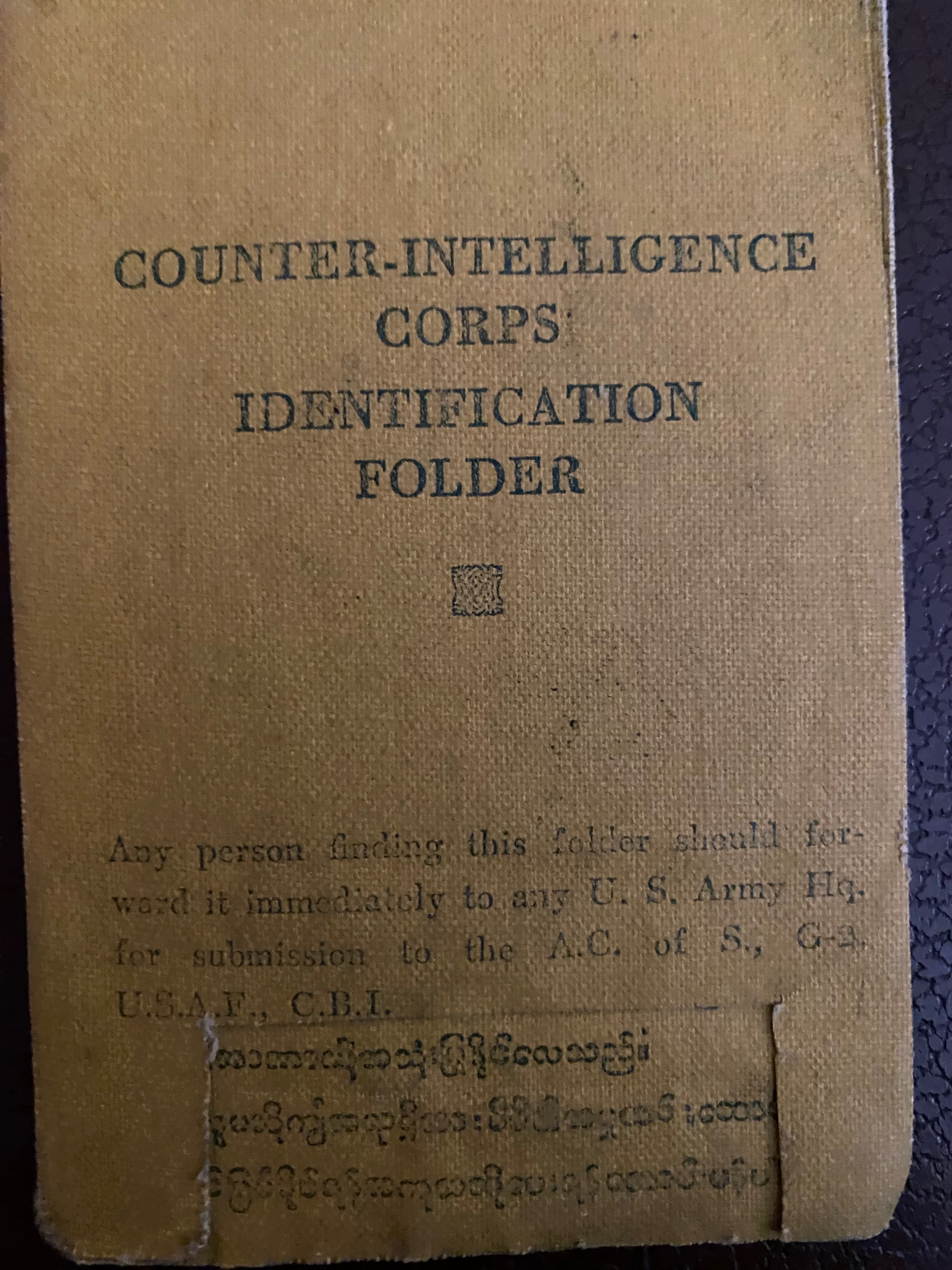
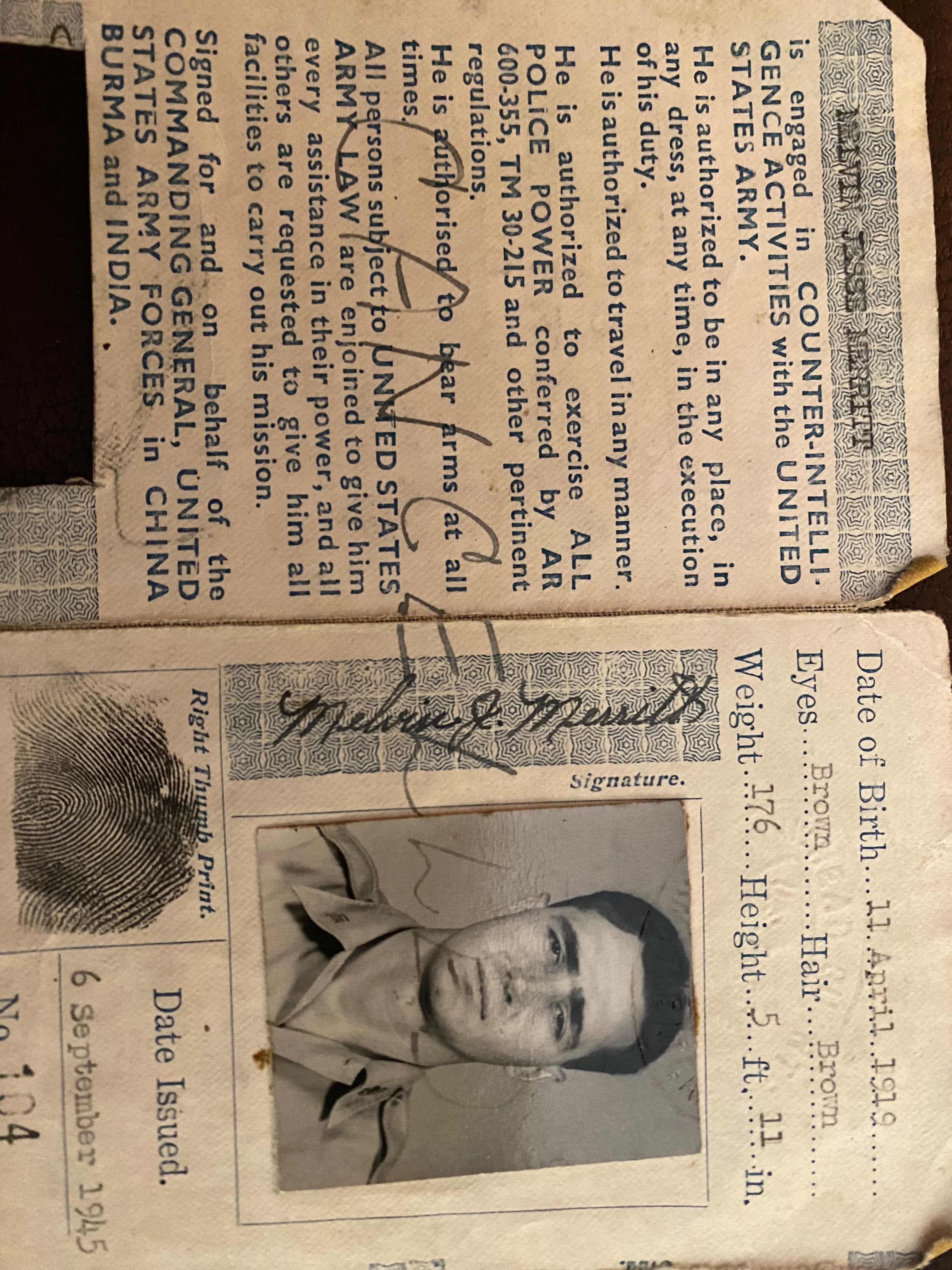
His documents show that he served in the United States Army’s Counter Intelligence Corps in the China–Burma–India region near the end of World War II. His credentials authorized him to carry a weapon, wear civilian clothing and exercise military police authority.
I do not know exactly what he saw there.
I do not know what he investigated, whom he questioned, what dangers he faced or what he carried home. I only know that the Army trusted him with serious responsibility in a distant and difficult theater of war.
The badge
Afterward, he became a Kansas City police officer.
Again, I have only fragments. I do not know his regular beat, the neighborhoods he patrolled or the calls that stayed with him after his shift ended. He served during a time when police work was personal and immediate. Officers knew streets, businesses, taverns and families. Backup was not always close. A routine disturbance could become deadly without warning.
He had returned from war and entered another profession built around vigilance, authority and danger.
Context is not excuse
It would be easy to draw a straight line from those experiences to the man he became. War damaged him. Police work hardened him. Trauma drove him to drink.
But I do not know that.
History can offer context. It cannot excuse abuse, and it cannot diagnose a dead man. I cannot turn speculation into truth simply because it makes the story easier to understand.
What I can say is that his life contained contradictions I am still learning to hold.
- He was brave enough to serve his country.
- He was trusted with authority.
- He may have protected other people.
- He frightened the people closest to him.
- He loved his daughter.
- He hurt his family.
- He was remembered as both wonderful and terrifying.
- He may have survived dangers overseas and on the streets, only to lose a battle no one around him knew how to name.
What I wish I knew
I wish I knew more.
I wish I knew what made him laugh before life became so heavy. I wish I knew how he held a golf club, what kind of officer he was, what he wrote in those letters and whether he ever believed he might become whole again.
Mostly, I wish I could have asked him who he was.
Instead, I inherited the silence around his name.
I inherited a few photographs, military papers, family memories and a face that relatives say resembles my own. I inherited questions about suffering, masculinity, addiction, love and the damage that can pass quietly from one generation to the next.
What this page is
Perhaps this page is not a biography of my grandfather.
There is too much missing for that.
It is an attempt to stop looking away.
- To tell the truth without reducing him to the worst things he did.
- To acknowledge his service without turning him into a hero he may not have been.
- To recognize his tenderness without using it to erase the harm.
- To love my mother enough to understand why the story was difficult for her to tell.
- And to recognize that the broken men who came before us do not have to determine what happens after us.
What remains
I cannot change the ending of Tex’s life.
I can only decide what I do with what remains.
His face may live in mine. His name may travel through our family. His darkness may have touched generations he never met.
But so might the part of him that wrote lovingly to his little girl.
I carry both possibilities.
Family archive
A few of the photographs, papers and clippings my mother kept.
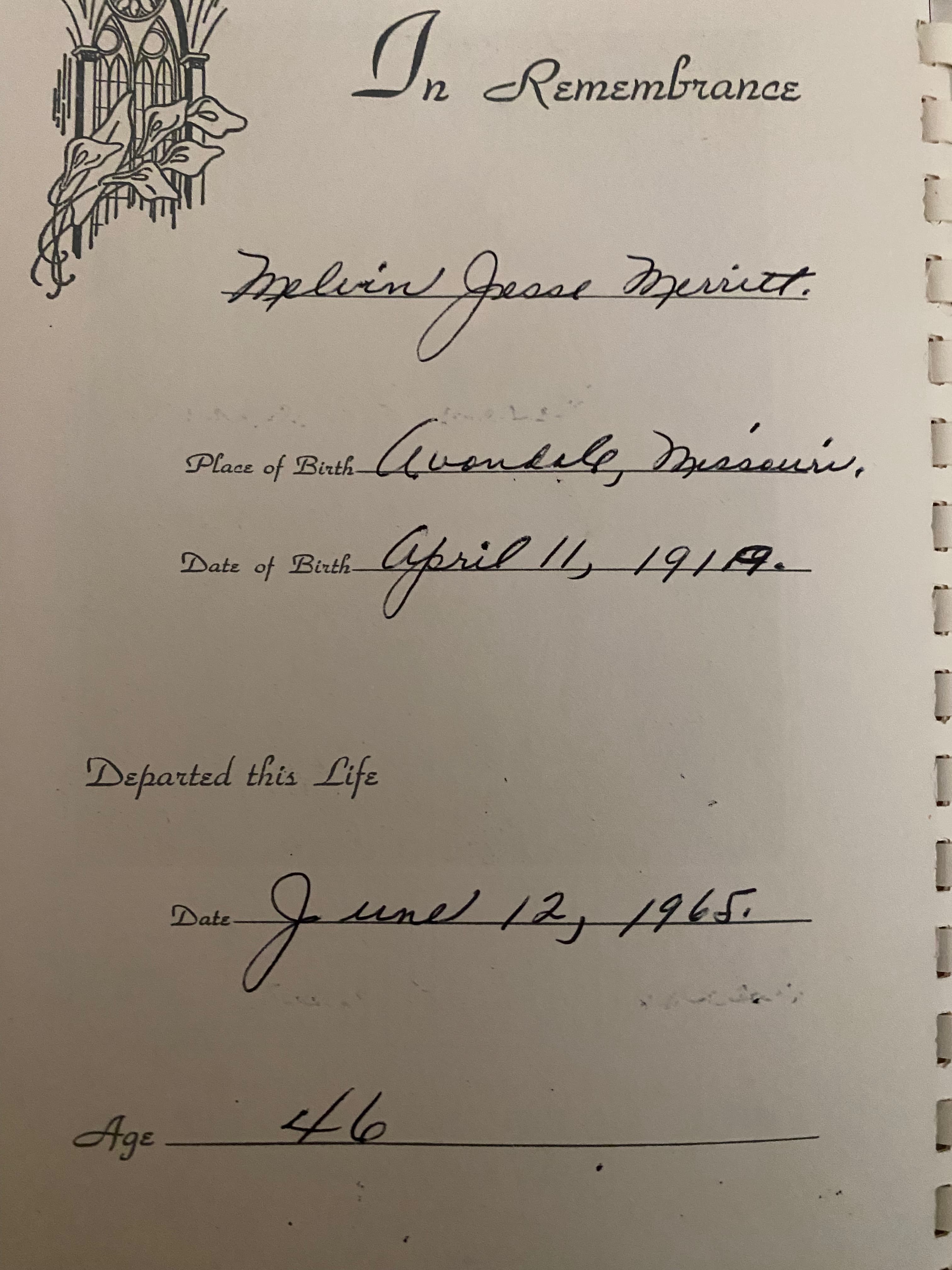
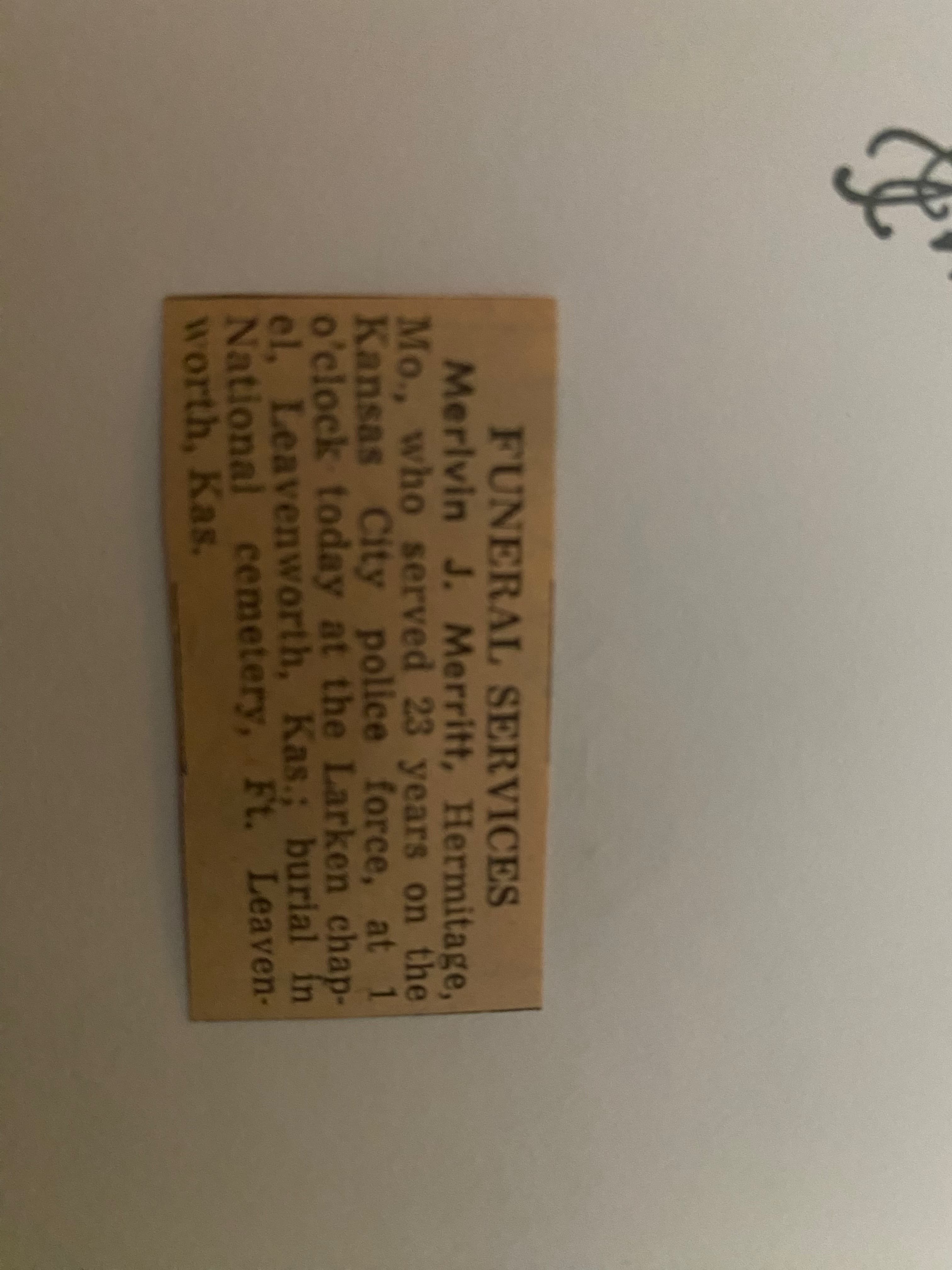
The shadow and the light.